West Lancashire Community Services (Adult)
Since 2017, HCRG Care Group has delivered adult community services across West Lancashire, focusing on prevention, reducing avoidable admissions and bringing care closer to home. We’ve led the development of integrated neighbourhood teams (INTs) that have strengthened partnerships between care homes, district nurses and wider partners – enabling early intervention and continuous improvement, and helping the NHS in West Lancashire to fulfil its aspirations for a high quality, community-based care system.
West Lancashire Community Services (Adult)
HCRG Care Group began working in West Lancashire in 2017 with the aim of reducing avoidable hospital admissions and building shared accountability across the system.
Visit Service WebsiteServices include:
- Acute Visiting Service
- Therapies (Adult rehabilitation, Falls, Neuro rehabilitation, SALT Dietetics, podiatry)
- Integrated Urgent Community Response Service (UCR)
- Community Matrons
- Specialist Nursing (Cardiac, Respiratory, Diabetes, Continence, Tissue Viability)
- Specialist Palliative Care Nursing (provided through a sub-contract with Queenscourt Hospice)
- Care Co-ordination Hub (CCH)
- Community Nursing Services
- Phlebotomy
- Urgent Treatment Centre
- Walk-in Centre
- Out of Hours Service (provided through a sub-contract)
This service is led by

Robert Flack
Regional Director
Having undertaken leadership roles in the commercial, not for profit, social enterprise and NHS sectors, Robert now works to continuously improve our teams, relationships and services at HCRG Care Group.
CQC Performance

In the early years of the contract, we invested upfront in transformation
We developed an enhanced discharge planning service to help patients get out of hospital more quickly. We also brought community services together into two refurbished bases, increased urgent care professional capacity, and enhanced our district nursing hub. The quality of our work contributed to our contract’s renewal and laid the groundwork for our current and future ambitions.
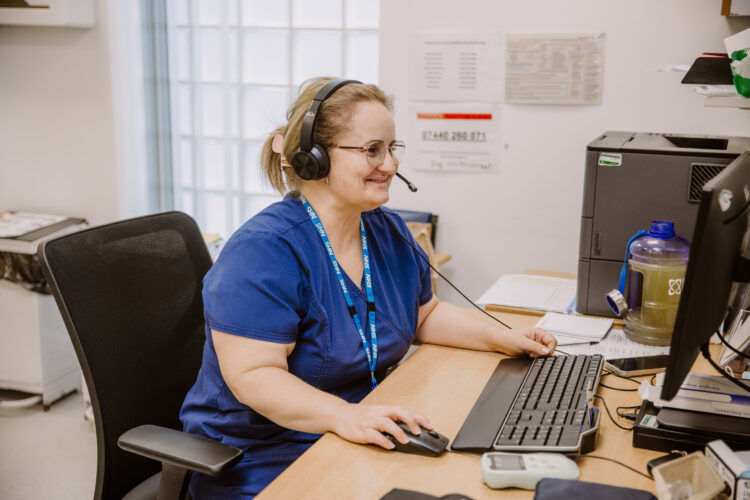
Now we’re embedding a “no wrong door” principle into every service
Patients are never turned away, and when issues go beyond health, we connect people to wider support.
For example, one service user contacted us while facing eviction and a disability benefit review. She was understandably frightened and worried about her future, and although we couldn’t address the issues directly, we linked her with an independent community advice network, a financial inclusion organisation and Citizen’s Advice. Days later she called again to thank us for how much this simple signposting helped.
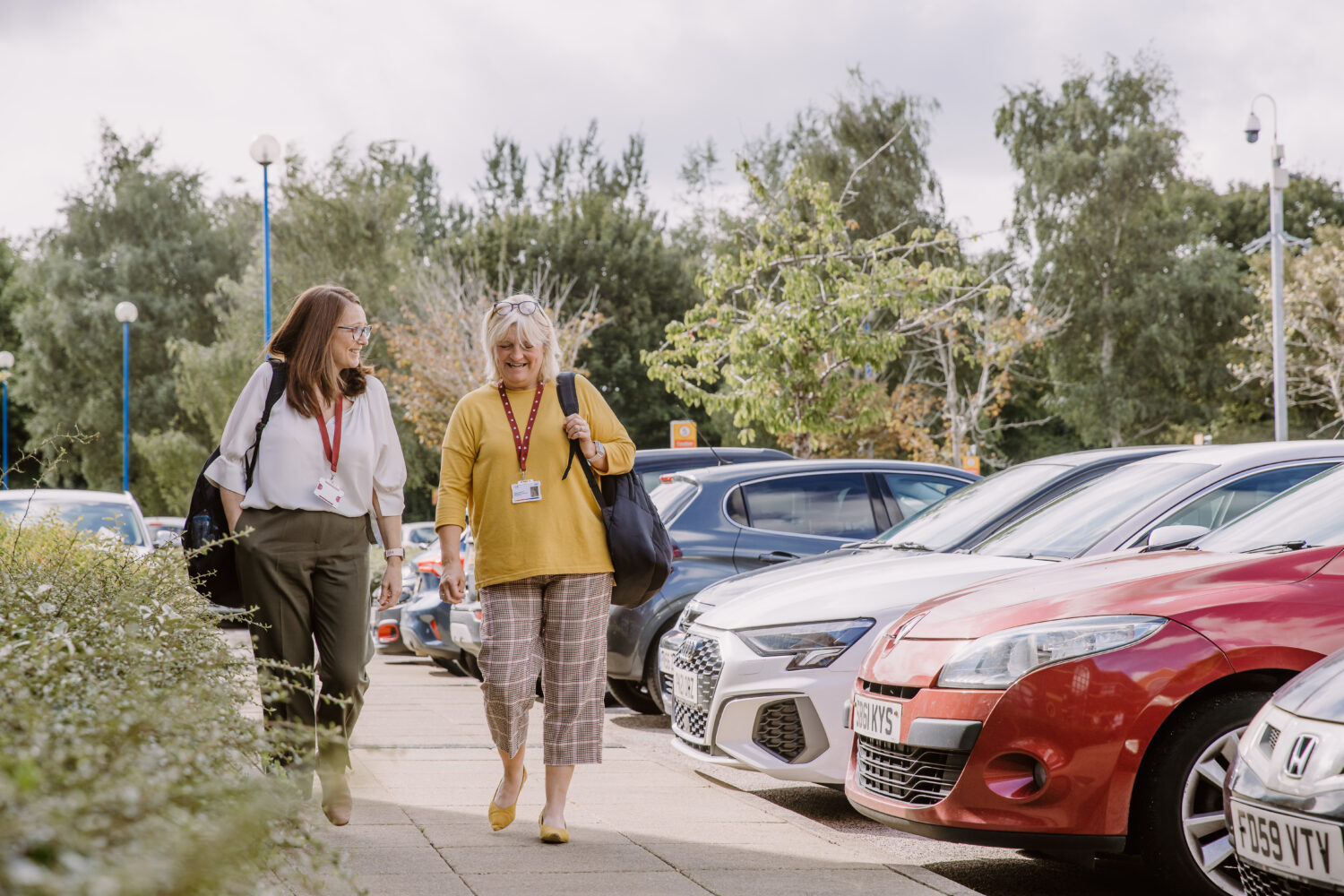
Our workforce is bringing deep local knowledge into the picture
Many of our staff live within 15 miles of the communities they serve, giving them insight into the specific challenges of Skelmersdale, the Boater population, caravan park residents and rural areas. Their understanding allows them to advocate for patients and design care that reflects local realities.
Service users in general are responding well, with Friends and Family Test positive feedback above 90% every quarter, with people saying words like, “I’ve got here because of you …you’re amazing, thank you for all you’ve done,” as one service user in adult rehab told us.
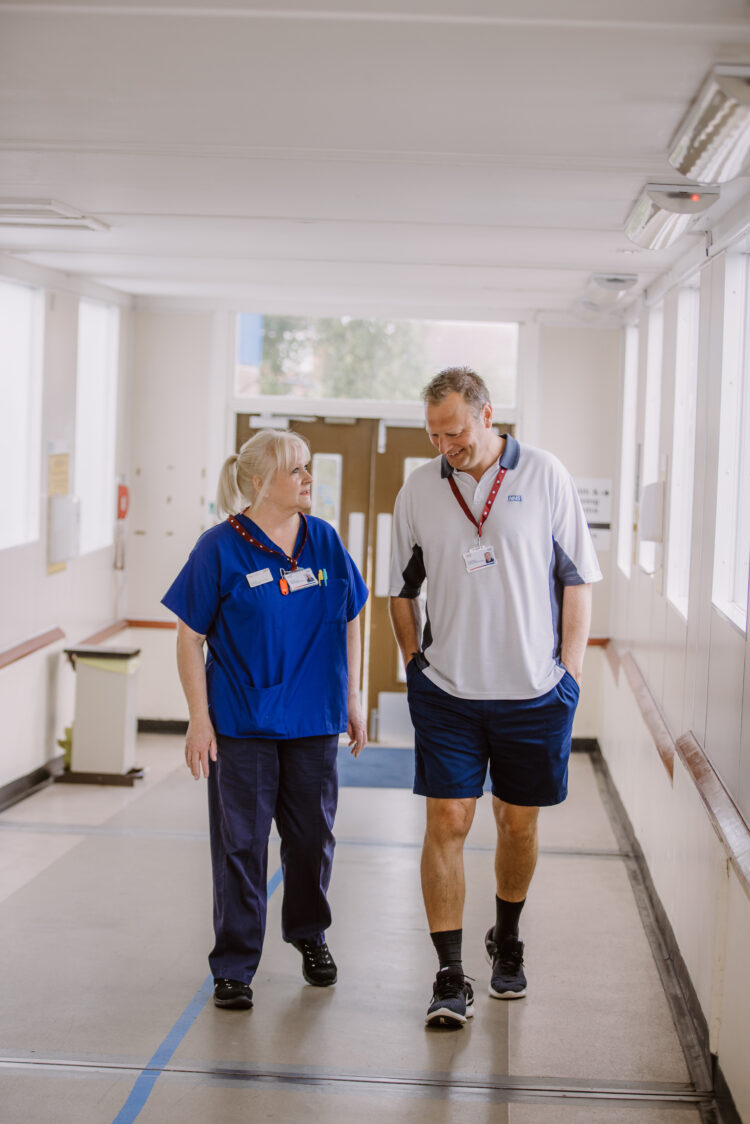
A critical change is in the roll-out of integrated neighbourhood teams (INTs)
Across Ormskirk, Skelmersdale and The Villages, INTs are bringing NHS services together with local authority, social care and voluntary sector partners to work beyond organisational boundaries. INT leadership groups are now meeting regularly and creating space for professionals who once worked separately to plan together.
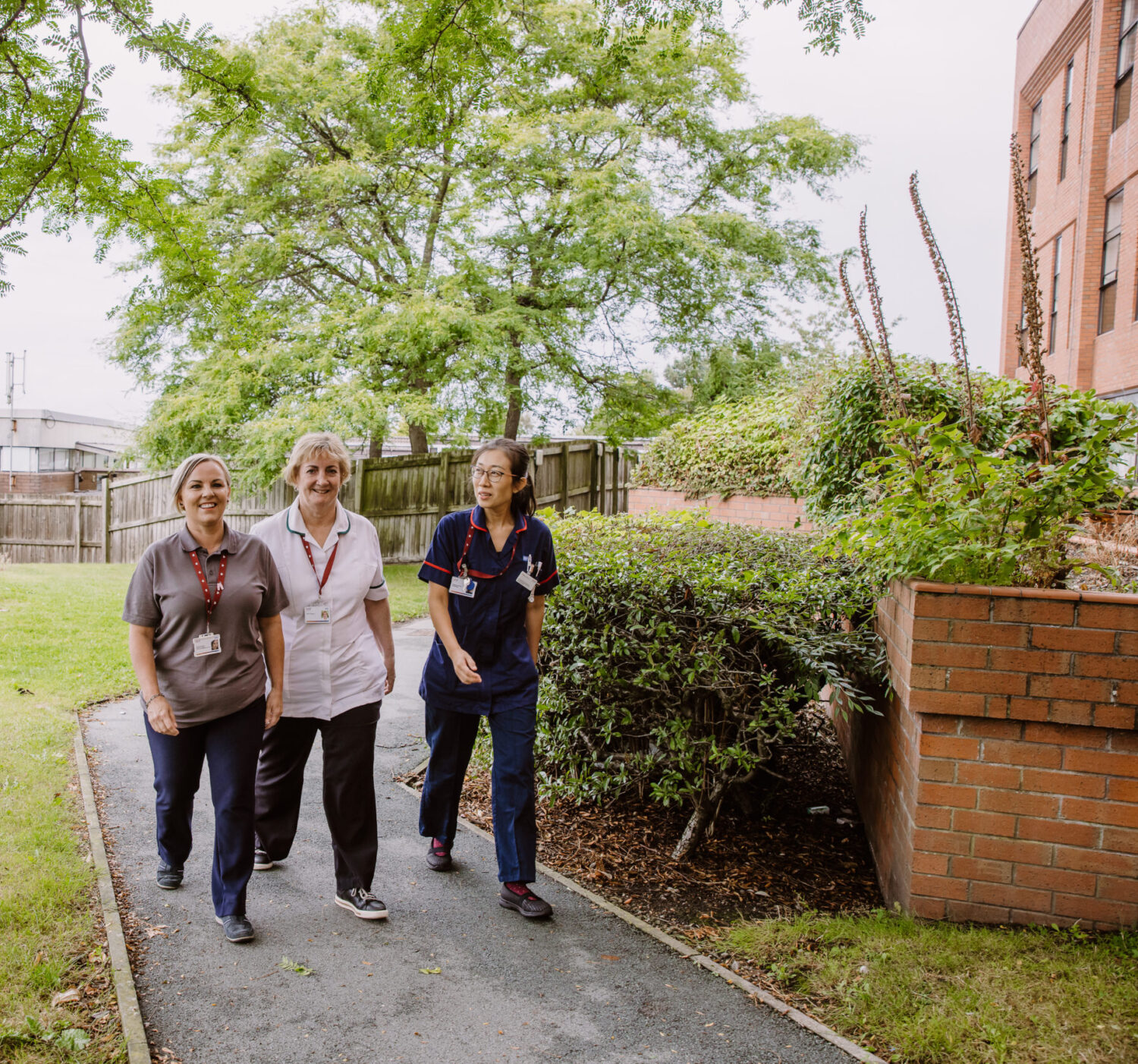
In Ormskirk, for example, joint training for care home staff and district nurses now supports earlier detection of health risks. As a result the quality of referrals are improving, and recovery times are shortening. Staff are also reporting a cultural shift – it no longer feels like “us and them” but a single team supporting residents – and we’re even seeing better retention of care home staff. It really is a change for the good of the community.
Looking ahead
We’ll be continuing to strengthen INTs, increase training with care home partners and expand collaborative approaches with voluntary groups. Our focus remains on early intervention, prevention and services that adapt quickly to community needs, supported by strong clinical governance and national benchmarking.
Visit Service WebsiteWhat’s happening at a glance
Rated Outstanding for Responsiveness by the CQC.
99.6% success rate fulfilling referral-to-treatment in 18 weeks as of Jan 2025.
Integrated neighbourhood teams co-designed with health, care and community partners.
Coordinated services now working across organisational boundaries.
Earlier intervention in care homes improving recovery times and wellbeing of residents.
Positive patient feedback above 90% every quarter.
Training for staff is continuously improving quality.
Enhanced discharge planning is helping patients leave hospital sooner.