The challenge of freeing up beds
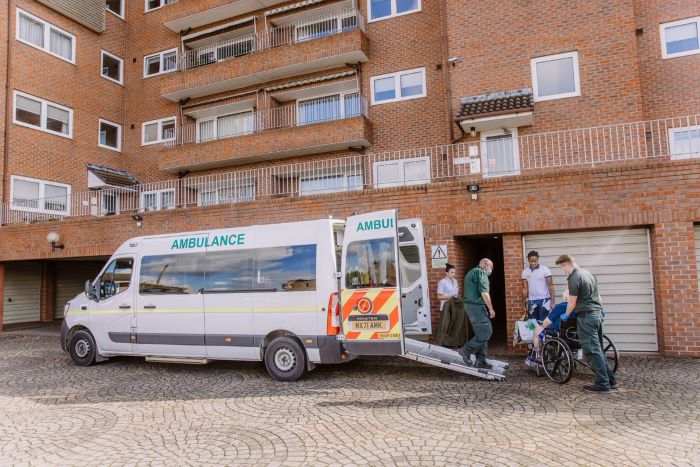
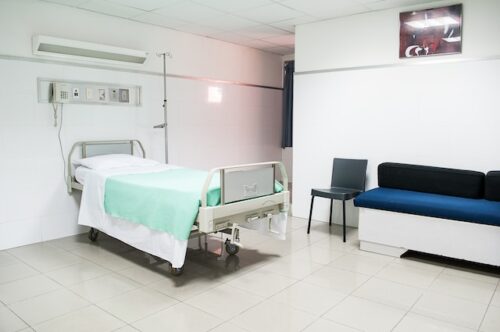
As well as the associated costs to the hospital (and care system), the issue of delayed discharges, commonly known as bed blocking, has been a severe problem for hospitals who badly need to free beds, especially during the busy winter months. This has been dramatically illustrated during the COVID-19 pandemic when lack of available hospital beds had led to significant delays for ambulances handing over patients to the hospital.
Acute hospitals need to be able to discharge patients once they no longer need acute care and community hospitals need to discharge patients to make way for others who need a community hospital bed.
However, while medically fit, many patients need support to be discharged safely and to avoid the risk of readmission. While some patients can go straight home with a package of care, others need a period of reablement in a community hospital before returning home. Finding a way for people to be able to return home more quickly, but also to be fit and well enough to remain there safely, must be a key priority.
To find solutions to some of these problems, we took part in the #ActNowHomeFirst Collaborative, led by NHS England and Improvement.
The NHS long-term plan focuses on discharging patients safely and quickly to free up beds in acute and community hospitals. Providers from all health service areas, including us, had been encouraged to find ways to make this happen.
A national shortage of reablement, therapy, social care staff and appropriate care home places has slowed down patient flow through the system. It has also led to high agency costs.
Therefore, the challenge was to shift the focus to more intensive rehabilitation that promotes independence and confidence and to find ways of getting patients mobile and confident enough to manage at home once they were well enough to be discharged.