
Slough Child and Family Wellbeing
Since 2025, HCRG Care Group has led the Healthy Child Programme in Slough, integrating 0–19 services with Early Help through Family Hubs. In one of the UK’s most diverse and youngest populations, we’re co-designing with local partners to deliver joined-up care and outreach. We’re also pioneering digital access and creating new pathways such as the area’s first fully integrated antenatal programme – changing community health for good.
Slough Child and Family Wellbeing
In 2025, HCRG Care Group began working in Slough as a service leader with local authority, health, and third sector partners to offer the Healthy Child Programme and integrated 0-19 services.
Visit Service WebsiteServices include:
- A Single Point of Access (SPA) for care coordination
- A digital front door for self-support, easier access to services and triage
- Service leadership for integrated care pathways
- Health visiting
- School nursing
- Family hubs
- Virtual wards
This service is led by

Robert Flack
Regional Director
Having undertaken leadership roles in the commercial, not for profit, social enterprise and NHS sectors, Robert now works to continuously improve our teams, relationships and services at HCRG Care Group.
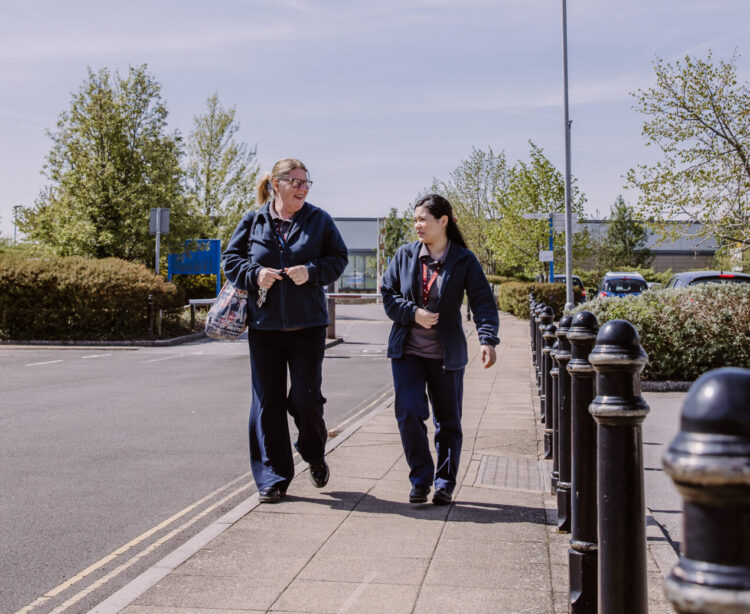
From day one, we were able to ensure high quality service through strong staff retention
This ensured continuity of care and already forged relationships in the community. We’re now improving service delivery quality further through our ‘outstanding’ rated training provider, as well as through our employee engagement and support programmes, in line with our Quality Promise.
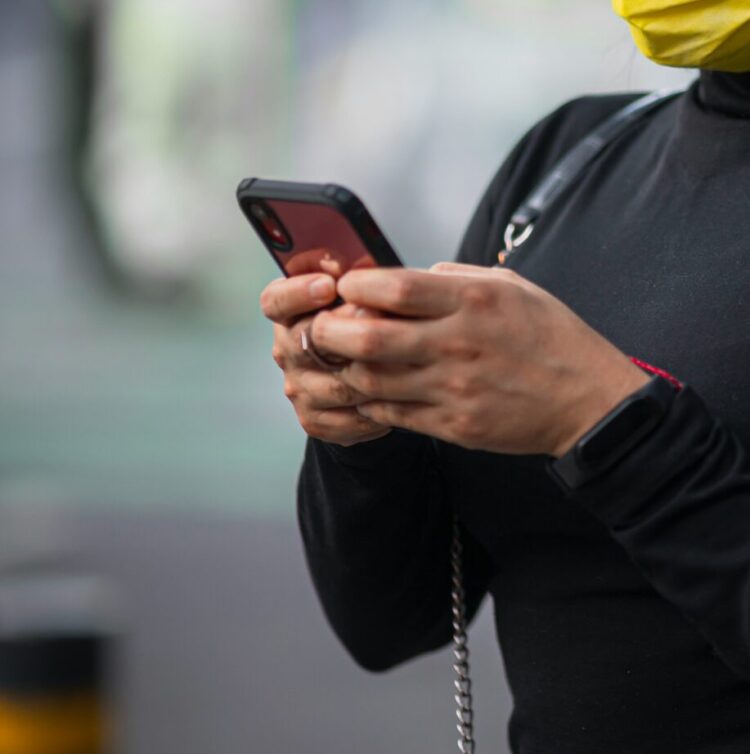
We’re investing upfront in transformation that will achieve efficiencies in later years of the Slough contract
A primary element of this transformation is our digital front door, the Slough Child and Family app, which is beginning to offer a first port of call for locals looking for advice or support. Via the app, people can access articles and resources that offer initial advice on topics such as weaning a child, and they can also use the app’s messaging service to contact health visitors directly.
We’re offering adaptable delivery at scale by ‘training the trainer’ to fulfil the school readiness pathway
Our health visitors and school nurses train early years practitioners, consultants and voluntary groups to embed public health principles so the impact of our modestly-sized workforce is multiplied many times over. After seeing success with this, we’re extending this ‘train the trainer’ model to breastfeeding and obesity support.
Slough is an area where white British residents are a minority
The region has the second-highest rate of young people per 100,000 in the country, and this makes community collaboration and co-design essential. As a result we’re delivering outreach interventions from specific faith and community sites. For instance, since 47% of residents have south Asian heritage, we are engaging with the community wellbeing organisation Apna Virsa, as well as other VCFSEs.
We’ve seen that this kind of community collaboration has the power to improve outreach, education, and prevention, driving down overall costs so we can reinvest into front-line services.

We’re operating a multidisciplinary neighbourhood team and co-locating with local organisations
This is giving us an opportunity to improve referrals, co-delivery, and the sharing of information where appropriate – which we’re also doing with primary care partners. For instance, by transitioning to the same clinical system that local GPs used, we could share information more readily with GPs, so that the care children, young people and families receive at the local GP surgery is coordinated with the care they receive from health visitors.
We’re also changing community health for good through our jointly-delivered new antenatal programme, the first full antenatal programme Slough has had for several years. It’s delivered between midwives, health visitors and Family Hubs, who are now offering an integrated service delivery and post-delivery.

This is one example of how we’re operating as a truly integrated 0–19 service
Rather than fragmented interventions in the 0-4 and 5-19 age brackets. So instead of multiple professionals organising visits separately, our teams plan together so whole families are supported seamlessly. If a family has one child that’s 11 and three other children under 5 in the service, their care is coordinated and personalised.
Slough also has the second highest rate of young people per 100,000 in the UK
As a result the region’s funding is among the lowest per head. We’ve been looking for ways to scale available resources to ensure the Healthy Child Programme is carried out without diluting the quality of service.
Looking ahead
We’re going to be initiating the suggested three-to-four year review, in line with the Healthy Child programme, focusing on children who are most at risk of not achieving their expected level of development. We’ve seen great outcomes come from this in Essex’s reception ready pathway, and we’ll be continuing to glean from our national network to improve service delivery quality in Slough further.
What’s happening at a glance
Home-based service, supported by drop-in clinics, as well as group activities in Children's Centres and community outreach sites.
Commissioners view KPIs on a live performance dashboard, so they can see the performance of new birth visits or 6–8 week reviews in real time.
Health visitors and school nurses are working as one team, ensuring families will receive joined-up support across all ages.
Collaboration and co-design of services with VCFSE organisations to change community health for good.