
North Kent Adult Community Service
HCRG Care Group began delivering adult community services in October 2025 as part of a major transformation of community healthcare across Kent and Medway – in partnership with Kent Community Health NHS Foundation Trust (KCHFT) and Medway Community Healthcare (MCH).
North Kent Adult Community Service
Since October 2025, HCRG Care Group has delivered a new innovative new adult community services model across Kent and Medway in a collaboration with other providers – bringing together community, acute, primary, mental health and social care partners. By ensuring different locations receive the same quality of service, and shifting more care from hospital to community settings, we are helping people access joined-up support closer to home.
Visit Service WebsiteServices include:
- A Single Point of Access (SPA) for care coordination
- Neighbourhood teams bringing care closer to home
- The design of new pathways integrating community, acute and primary care
- Multidisciplinary team coordinators bringing together community and primary care with the voluntary sector, social care and housing
This service is led by

Debbie Lindon-Taylor
Regional Director
A former senior nurse with 30 yrs+ clinical experience, Debbie has a strong instinct for what works in healthcare strategy and in leading service redesign. She’s now Regional Director of Medway’s ICRS service and of adult community services in Kent and Medway, enabling an upfront investment in transformation to happen fast.
Significant change happened quickly
As we invested upfront in transforming services. Within the first eight months there was already evidence we were supporting much earlier discharges from hospital.
Removing the postcode lottery with partnership
Before the contract began, services were delivered through multiple community providers with different levels of investment and different approaches to care.
The new arrangement brings KCHFT, MCH and HCRG Care Group together under a single model designed to ensure people can easily access the same high-quality support wherever they live.
The nature of the partnership also makes funding more flexible: providers can agree to address where the need is greater – directing more resources to less affluent, urban areas – where it can change community health for good.

A care coordination centre acts as a single point of access
This helps patients navigate services and in many cases people can now self-refer, making support easier to access.
Previously, for instance, a diabetic who called to see a nurse about a wound would be told to get a referral from a GP. Now they can be referred directly to the diabetic service.

We’re removing silos between community, acute and primary care
And there are now direct referral pathways across the system.
So if a service user of community healthcare needs urgent specialist assessment quickly, they don’t have to go to A&E anymore. Our neighbourhood teams can refer the service user straight to SDECs, or into the acute frailty assessment unit.

Further shifts from hospital to community
Greater integration between services means neighbourhood care teams can now access acute hospital consultants for advice, so more people’s needs can be met at home rather than at hospital.
We also work directly with the ambulance service in their call centre. If an emergency call comes in from anyone whose needs don’t require an ambulance, the community urgent response team can step in, freeing up ambulances to get out quicker to where they need to be.
Healthcare and social care are working holistically
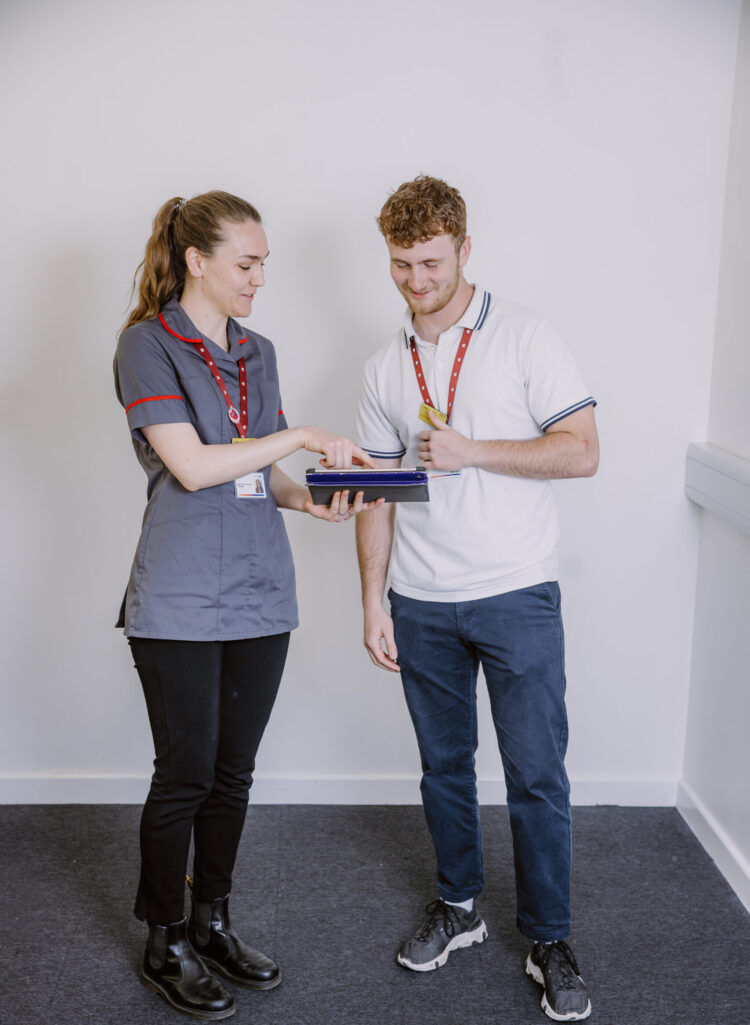
Multidisciplinary team coordinators are working to bring community and primary care together with the voluntary sector, social care and linked local government departments like housing.
Now multi-sector support can be arranged in a single discussion centred on a service user’s needs, rather than through many separate meetings.
Going beyond our contract to deliver social value
Even though it’s not required by our contract, to fulfil our Quality Promise to invest in the community, we’re working very closely with education establishments to support the future local workforce.
Our team are attending secondary schools, academies and colleges to educate young people about the routes they can take into a community health career. We’re also supporting with CVs and mock interviews – and we’re offering work placements.

Looking ahead for the region
We’re beginning to set up a system so that hospital geriatricians can work alongside neighbourhood teams directly in the community, enabling more older people to get their needs met out of hospital.
We’ll also be making further shifts from analogue to digital, and we’re starting to trial automated voice technology (AVT) in two key areas so we can support clinicians to be as patient-facing as possible during contacts.
Visit service websiteOur partners for this service