
BSW Community Health
Launched in 2025, the Bath & North East Somerset, Swindon and Wiltshire (BSW) contract covers every stage of life: from pre-birth to end-of-life. Acting as system leader, HCRG Care Group is working with the third sector and other partners to shift care from hospital to community, analogue to digital, and treatment to prevention. We’re creating a new template for changing community health for good: with a single point of access, workforce transformation, and success based on outcomes.
BSW Community Health
Launched in 2025, the BSW (B&NES, Swindon and Wiltshire) contract is distinct because it covers every stage of life, serving children and adults from pre-birth to end-of-life. In many ways, it could be seen as a template for delivering the NHS 10 year plan priorities: from hospital to community, from analogue to digital and towards prevention.
Visit Service WebsiteServices include:
- System leadership of all age community services
- Outcomes-based measurement of delivery
- Mobilisation of 2,000 staff and 100+ services for continuity on day one
- Single point of access with digital front door
- Pathways redesigned and co-designed with local partners and stakeholders
- Upfront investment in transformation of pathways, workforce and digital
- Investment in the voluntary sector
- Workplace redesign
This service is led by

Val Scrase
Regional Director
A former health visitor with many years of overseeing strategy, operations and community health in the South West, Val is now leading some of the most ambitious transformations of health services in the UK.
Blurring traditional boundaries offers a real opportunity to embed prevention further into community services
We can integrate services across age divides, and facilitate the whole pathway in a joined up way. It also gives us a better vantage point from which we can address the wider determinants of health – such as education, employment, housing, or access to healthy food and activities – so together with partners we can improve long term outcomes for the good of the community.
HCRG Care Group is acting as the system leader
We’re codesigning pathways with the community to place the service user at the centre (rather than medical fields or specialisms). And right from the beginning of a pathway we’ll be using holistic assessments to understand an individual’s full context, so we can move away from diagnosis-led care to a restorative approach.
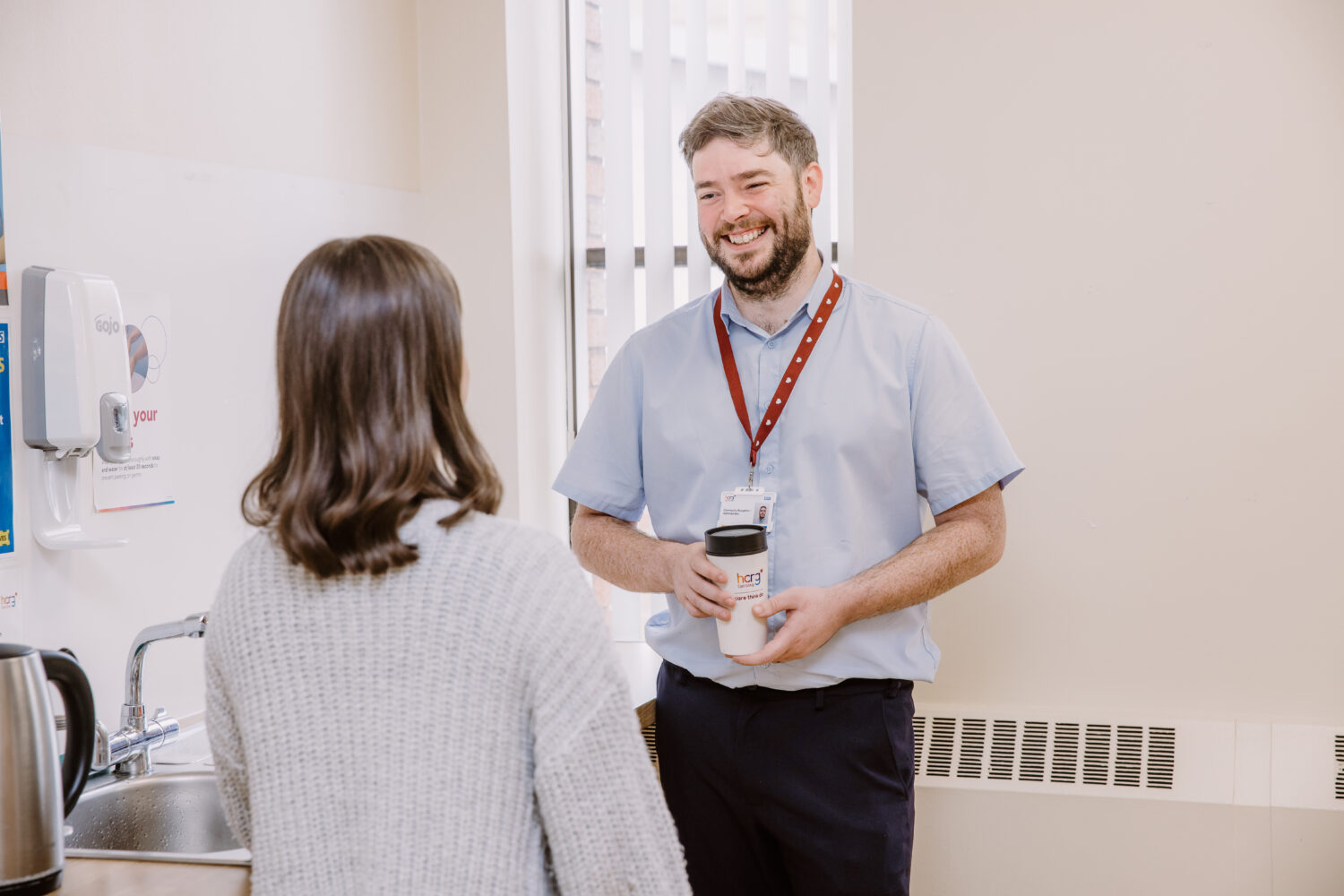
To fulfil these pathways we’re investing in the voluntary sector
One example is the Stroke Association, who we’re commissioning to play a formal role in supporting post-stroke pathways – with specialised counselling, support with benefits, support with emotional management of their condition, and areas that the traditional healthcare system doesn’t have capacity to offer.

It’s an innovative contract in that it’s commissioned against outcomes
So we’re measuring success by the difference we’re making to individuals rather than simply tracking activity. And we’re using data and analytics to continually highlight areas for improvement and refinement, so we’re delivering the highest-quality outcomes, in line with our Quality Promise.
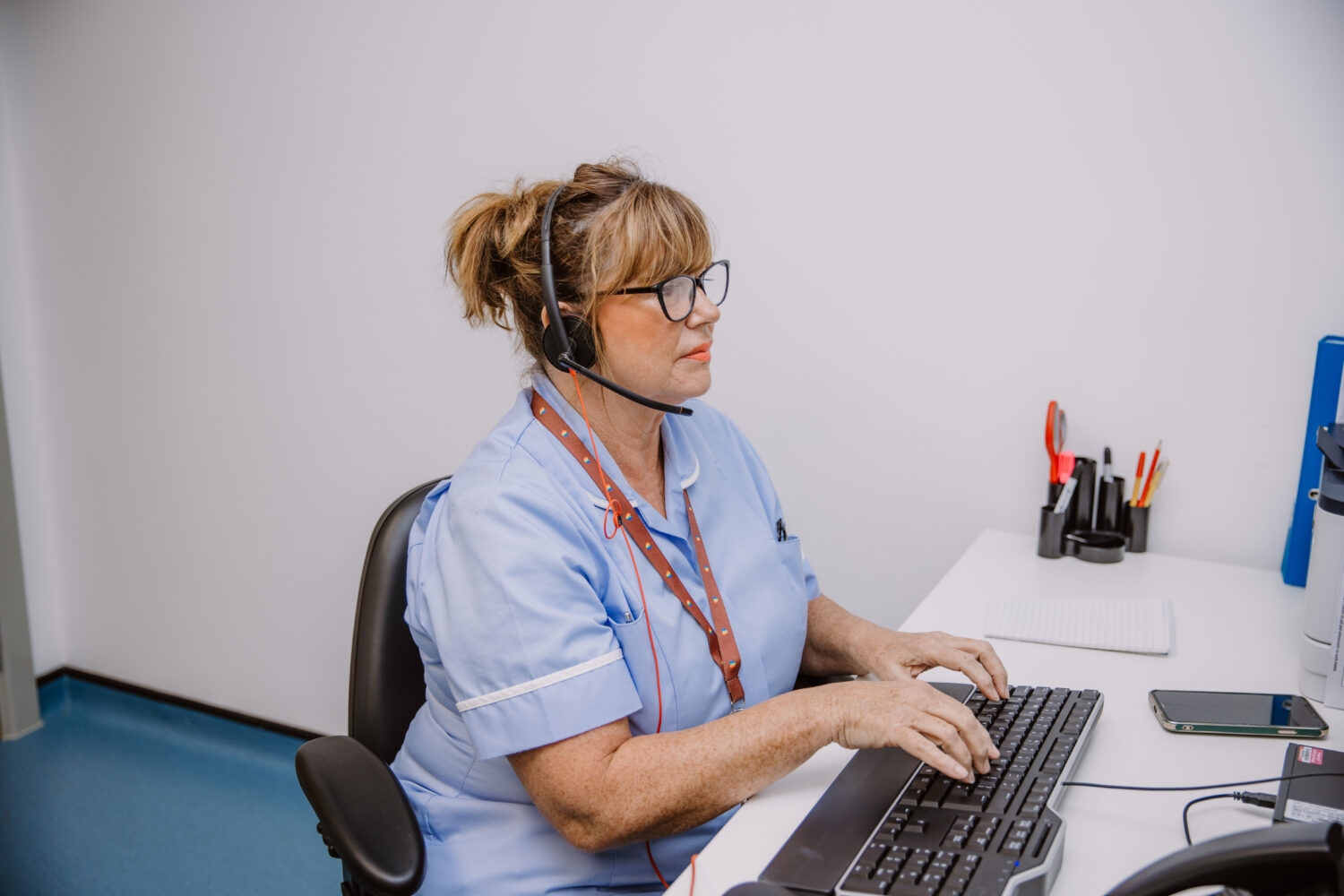
We’re delivering a transformation fast, investing capital upfront to create efficiencies from the very start of the contract
These transformations include a single point of access with a digital front door, integrated neighbourhood teams, harmonised care pathways, community workplace redesign, workforce transformation, digital innovation and voluntary sector commissioning.
The single point of access, for instance, offers one phone number for triage, and no-wrong-front-door access into care, where everyone gets signposted to what they need regardless of their route into the system. It’s supported by a digital front door for service users to access advice, assess their needs, and self-refer – and those without digital access can still speak directly to a person on the phone.
A self-referral system will become part of all our services
So everyone can access the clinically-backed advice and care they need at the right time, without going to a GP first or defaulting to visiting an emergency department. This shift towards community-based care will reduce avoidable admissions and ease the pressure on secondary care services.
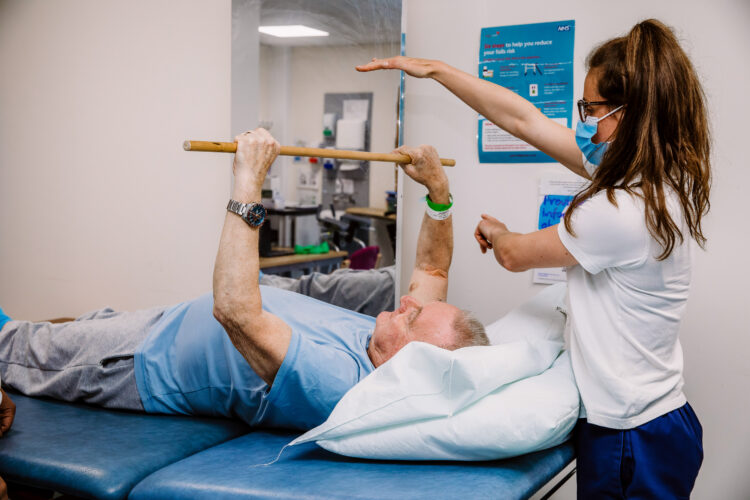
This is complemented by empowering people to self-manage their health
Particularly when waiting lists are unavoidable. So if a person with a musculoskeletal condition is waiting for an appointment with a specialist, the single point of access will introduce them to easy, quick exercises that they can begin right away, and even if this doesn’t correct the issue during the wait, the symptoms may have improved to the point where a specialist can then address the crux of the condition.

Looking ahead
We’re continuing to develop a community workplace strategy – making the most of shared properties, modernising what’s not fit for purpose and improving the quality of welcome spaces for service users. We’ll also be developing the digital front door to enable the booking and cancelling of appointments, checking the status of your referral and more.
We’ll also be looking at aligning Bath and North East Somerset, Swindon and Wiltshire so that access and standards are consistent across the patch – so regardless of where you live, there aren’t any differences in services.
Visit Service WebsiteWhat’s happening at a glance
Engaging with local communities
To co-design and co-deliver pathways that prioritise meeting a person’s needs over traditional silos.
Development of new waiting well resources
Supporting people to manage their health while waiting for specialist appointments.
Creating self-referral routes into services
Reducing reliance on GPs as a gateway, and freeing capacity for same-day primary care.
Integrated neighbourhood teams
Using population health data to target interventions where they are most needed.
Workforce redesign
To ensure the right skills and right people are there to deliver on better health outcomes
Community workplace strategy
Modernising clinics and community hospitals, downsizing underused office space, and creating high quality environments for patients.
Digital over analogue
Robotic processes, AI, and inventory management and e-room booking systems are being introduced to further release clinicians to focus on clinical work.
Targeted outreach and support for marginalised or socially isolated communities
Such as the Gypsy, Roma, Traveller, Boater (GRTB) populations, Moroccans in Trowbridge, and Nepalese/Gurkhas in Tidworth.
Our partners for this service