Understanding the critical role of early years intervention – an international perspective
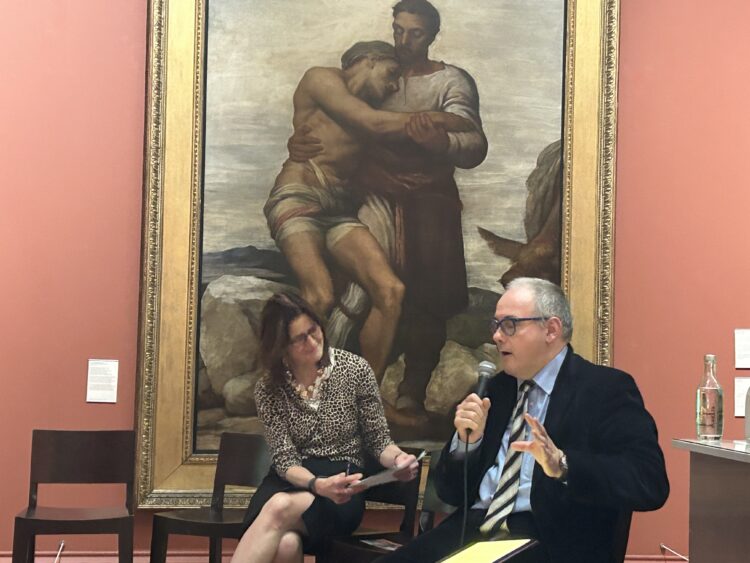
In October 2024, the Rt Hon Robert Halfon gave a keynote speech at an HCRG event which brought together leaders in the community 0-19 children’s services space. Held at Manchester Art Gallery, it was an opportunity to discuss the challenges and opportunities in the sector and the ways we can all work together to ensure the best possible care for children. In the first of three blogs adapted from his speech, Robert underscores the lessons learned from similar schemes across the world, and how they can be incorporated in the UK.
As someone who has long championed social mobility and expanding opportunities for all, I know that one of the most impactful things we can do as a society is to prioritise early intervention. The evidence is clear that the first 1,001 days of a child’s life are critical in shaping their future health, well-being and life chances as they begin to climb their ladder of opportunity.
Family Hubs are one of the best ways we can ensure every child has the best start in life. They represent an innovative and integrated approach to supporting families by bringing together services like health visitors, midwifery, mental health support and early years education under one roof, making it easier for families to access the help they need.
The statistics and evidence speak for themselves:
- Children who receive high-quality early years support are estimated to be four months ahead in literacy development compared to those who do not.
- Research shows that for every £1 invested in early years interventions, there is an average return of £4 in long-term societal benefits including reductions in costs related to crime, healthcare and welfare.
- A landmark study found that children who participated in high-quality early childhood programmes were 80% more likely to graduate from senior school and 130% more likely to be consistently employed as adults.
These figures paint a clear picture: investing in children’s earliest years pays enormous dividends, both for individuals and for society as a whole.
International lessons
Significant strides to support families are being made in countries across the world, and we have an opportunity to learn from them and adapt them to our own domestic needs.
For example, Child and Family Centres have been established in Australia as integrated services hubs for families and children up to the age of five. These centres have improved access to services for vulnerable families, as well as enhanced collaboration between health, education and social services. They have also seen increased parental engagement in children’s early learning.
A study of these centres found that 97% of parents reported feeling welcome and respected, and 91% said the centres had helped them feel more confident as parents. This is critical in supporting children’s start in life as so much of that support comes from the home.
New Zealand’s Early Start Programme is a home-visiting intervention for at-risk families with young children. Outcomes from this programme are already showing a reduced rate of child abuse, improved child health outcomes, and enhanced parenting skills and family finances. Long-term studies have shown that children who participated in this programme had 50% lower rates of physical abuse and neglect. This is an extraordinary statistic.
In Singapore, their KidSTART initiative provides coordinated support to low-income families based on home visits, supported playgroups and pre-school support. Early evaluations are already showing improvements in children’s developmental outcomes and increased parental confidence.
Using international insight for UK models
These examples offer us valuable insight into ways we can ensure continued success in our UK models. Particular points to note are:
- Integration is key. The success of Australia’s Child and Family Centres showcases the importance of seamless integration between services.
- Evidence-based interventions are critical. New Zealand’s programme demonstrates the importance of rigorously evaluated and informed service provision to meet local needs.
- Targeted support. Singapore’s work highlights how targeting support and resources towards the most vulnerable families can yield significant results.
But most of all, these programmes all emphasise the need for sustained and long-term investment to see meaningful outcomes.
